Tag

refrigerator issue

refrigerator repair

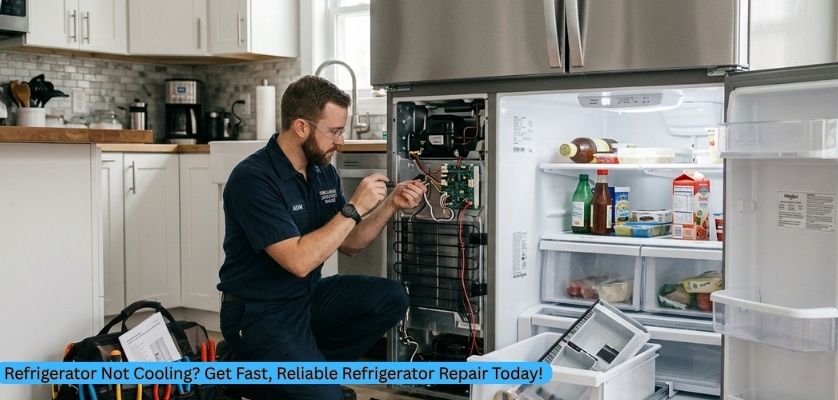
Refrigerator Not Cooling? 7 Causes and Quick Fixes That Work

By Appliance Maintenance, Home Appliance Tips, Refrigerator problems, refrigerator repair, Repairing
I have seen a refrigerator that stops cooling and refrigerator can spoil food quickly. You may notice food, soft ice cream spoiled milk or water that never gets cold. Sometimes the freezer still works while refrigerator stays warm.
The USDA recommends keeping refrigerator at 40°F or lower and keeping freezer at 0°F. If perishable food has been above 40°F for than two hours it is safer to throw it away. Use the one-hour limit when temperatures reach 90°F or higher. Never taste food to decide if it is safe.

Before booking refrigerator repair check these causes.

1. The Temperature Setting Is Warm

Start with the easiest fix. Set refrigerator between 35°F and 38°F. Set freezer to 0°F. Check whether vacation mode, demo mode or showroom mode is active.

Use an appliance thermometer to confirm the temperature. After changing the setting allow, about 24 hours for refrigerator temperature to stabilize.

2. Blocked Vents or an Overloaded Refrigerator

Cold air needs space to move around. If you push food close to the inside vents you might block the airflow. This can make some spots inside your refrigerator feel warm.

Try to move your food containers from the back wall, the ceiling and the vents. You should also check the return vents in the freezer. Make sure to leave some space between your food items so the cold air can move around your refrigerator easily.

3. Dirty Condenser Coils

When the condenser coils get dirty your refrigerator has to work harder to get rid of heat. First unplug the refrigerator. Then find the coils under the refrigerator or behind the grille.

Use a brush or a vacuum to get rid of the dust and dirt. If you have pets at home you might want to clean the condenser coils often. ENERGY STAR says that keeping your refrigerator clean helps the refrigerator run better and save energy.

4. A Damaged Door Gasket

If the door seal is old or damaged, cold air can leak out. As a result, your refrigerator may have to work harder to stay cool.
To check the seal, try the paper test. First, place a sheet of paper between the door and the frame. Then, close the refrigerator door. If the paper slips out easily, the door gasket may not be sealing properly.
Next, clean the gasket with warm water and a little mild soap. Also, check for cracks, gaps, or hard spots.
Finally, if the gasket is damaged, replace it. A new door seal may fix the cooling problem and, in some cases, help you avoid a costly refrigerator repair.

5. Frost Is Blocking the Evaporator

frost on the freezers back wall can block airflow into the refrigerator section. I have seen this happen when a defrost heater, sensor, timer or control board has failed.
If it is safe according to your manufacturers instructions unplug the refrigerator. Let the ice melt naturally. I would never use a knife to remove ice or a blow dryer.
If frost returns within a days schedule professional service.

6. The Evaporator Fan Is Not Working

The evaporator fan moves air, from the freezer into the refrigerator. I have noticed that if it fails the freezer stays cold while the refrigerator becomes warm.
Listen for the fan when the freezer door is closed. If you hear airflow or unusual noises that can indicate a problem.
If the motor stays silent I recommend refrigerator repair.

7. Compressor, Relay or Refrigerant Problems

Repeated clicking every minutes may show a faulty start relay or compressor problem. I have heard that a compressor that runs constantly but cannot cool the refrigerator may also show a sealed‑system issue.
Refrigerant does not normally disappear on its own. So, if the refrigerant level is low, there may be a leak in the system. In that case, the leak needs to be found and repaired.
For your safety, never handle refrigerant lines, capacitors, or exposed electrical parts yourself. Instead, let a trained professional inspect the appliance and carry out the necessary refrigerator repair.
When Should You Call for Refrigerator Repair?

When Should You Call for Refrigerator Repair?

However, some refrigerator problems need professional help. Call a trained technician if you notice burning smells, sparks, melted wiring, repeated breaker trips, or a very hot compressor. Also, if the refrigerator does not cool after simple checks, it may be time for professional refrigerator repair.

A Simple Symptom Guide

  • Freezer cold, refrigerator warm: This may point to a blocked vent, frost buildup, or a fan problem.
  • Both sections warm: This could be caused by dirty coils, a bad relay, compressor trouble, or a sealed-system issue.
  • Heavy frost: This often points to a defrost problem.
  • Clicking sounds: These may signal a faulty relay or compressor.
  • Water underneath: A blocked drain could be the cause.

Keep Your Refrigerator Working Properly

Fortunately, regular care can help prevent many cooling problems. First, clean the condenser coils about twice a year. Also, keep the air vents clear and check the door seals regularly.
In addition, use an appliance thermometer to monitor the temperature. After making a repair or adjustment, check the refrigerator again within 4–24 hours.
Finally, if the problem returns or the refrigerator still cannot stay cold, contact a professional for refrigerator repair.
Start with checks. If the problem involves components, fans, compressors or refrigerant professional refrigerator repair can help diagnose the issue safely and prevent further damage.

Frequently Asked Questions About Refrigerator Cooling Problems

Why is my refrigerator not cooling but the freezer is working?

This often happens because cold air cannot move from the freezer to the refrigerator. Blocked vents, heavy frost, or a failed evaporator fan are common causes. If basic airflow checks do not help, you may need professional refrigerator repair.

How long does it take for a refrigerator to cool after adjusting the temperature?

A refrigerator can take several hours to reach the correct temperature. After changing the setting, allow about 24 hours for the temperature to stabilize before deciding there is a serious cooling problem.

What temperature should a refrigerator be?

The refrigerator should generally stay at 40°F or lower. For better food safety, many manufacturers recommend setting the refrigerator around 35°F to 38°F and the freezer at 0°F.

Repair Refrigerators

Try These DIY Hacks to Repair Refrigerators at Ease

By Repairing

When your refrigerator malfunctions, life goes messy. Undoubtedly it’s the most used appliance in your household. Proper maintenance is essential to keep your freezer in optimal condition. However, it is not always possible to predict occasional refrigerator malfunctions. Thus, how can you repair refrigerators efficiently and affordably when it does not function properly?

Pocket-Friendly Tips for Repair Refrigerators

Before hiring a professional service, you can opt for a few DIY methods to repair your refrigerator and save money. Here are some repair tips you can follow to address common problems fast:

Check Condenser Coils for Cooling Related Problems

Check if the light turns on when you open the door. If not, make sure that the fridge is properly plugged in. Also, examine the breaker panel to ensure an uninterrupted power supply.

Sometimes, the fridge runs but with an inadequate cooling effect. What to do in such a situation? The first thing to do is to check the temperature control dial. Make sure that it is in the right position. If food containers block the vents and freezer compartments, your fridge may not get cold enough.

Another way to repair the refrigerator for inadequate chill is to remove dust from the condenser coil. It improves the airflow through the coil to let the fridge cool properly. You can use a long brush to eliminate the dust. Check the fan for dust. If it is dusty, you should vacuum it to ensure smooth operation.

Examine the Inlet Tube and Saddle to Fix Ice Maker Issues

Unfasten the icemaker and unplug the wiring harness to access the water inlet tube. Low water pressure may make the tube plugged. If the drizzling water freezes, you may find a plugged one. The next step is to melt the ice in the inlet tube.

A saddle valve is the one that connects the ice maker to the home water supply. The needle hole of this valve may clog to cause blockage. Rotate the saddle valve in the clockwise direction and tighten it to eliminate mineral deposits. Turn the valve to its original position after completing the unclogging task.

Inspect the Fan Motor to Prevent Unwanted Noises

What makes a fridge noisy? Most probably, the source of the problem could be the condenser fan motor. The evaporator fan motor may also contribute to making a fridge noisy. Check whether the sound is coming from the compressor or fan.

The back cover needs to be unscrewed before checking the exact source of the sound. The noise from the fan motor can be eliminated by replacing it with a new one. If the noise comes from the compressor, you may consider buying a new fridge.

Takeaway on Repair Refrigerators

These 3 DIY tips will help you solve common problems efficiently and save money. Never undermine the importance of timely refrigerator maintenance. Many people ignore minor issues and keep them unattended for a long time. The consequence will be expensive repair work. Do not let it happen to your refrigerator.

If you don’t have the tools and experience to repair refrigerators, you can hire a professional home appliance repair service. Experienced professionals perform all tasks with meticulous precision. They have the tools and expertise to solve any complicated repair task responsibly and efficiently.

refrigerator leaking water

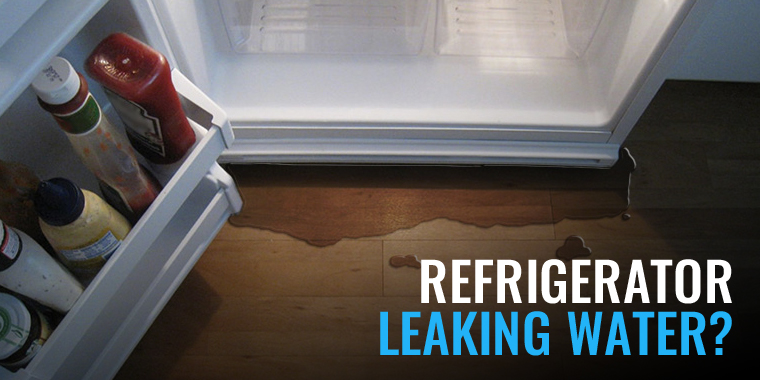
Refrigerator Leaking Water? See Why And How To Fix It.

By Refrigerator problems

Refrigerator leaking water can be a significant inconvenience, and if not addressed promptly, it can also lead to water damage to your home. We will go through the typical causes of refrigerator leaks in detail in this thorough guide, along with step-by-step directions on how to fix them. You may avoid future damage, increase the longevity of your refrigerator, and reduce the cost of repairs by implementing these troubleshooting techniques.

Causes of water leaking:

Determining the reasons for a leaky refrigerator before moving on to the treatments is essential. Here are a few typical offenders:

  • Clogged defrost drain: Melted ice can drain to a pan at the bottom of the refrigerator through a little tube called the defrost drain. Water will back up in this drain if it becomes clogged and spills.
  • Frozen water line: Especially if it’s in a cold climate, the water supply pipe to your refrigerator may freeze. Water may back up and seep out of the refrigerator as a result.
  • Damaged water line: Water might leak out of your refrigerator. If the water line that provides it with water is broken. This could occur if the line is bumped or has to be set up properly.
  • Faulty water valve: Your refrigerator’s water flow control valve may break down and allow water to leak. Typically, this is a more serious issue that needs professional repair.
  • Improper installation: If your refrigerator is installed correctly, it can prevent the refrigerator from leaking. This is especially common if the refrigerator is not level or the door needs to be adequately sealed.

Here are some tips to help prevent it from leaking:

Now that we know the various reasons, let’s look at the detailed fixes for refrigerators leaking water.

  • Keep the defrost drain clear: Melted ice can drain to a pan at the bottom of the refrigerator through a little tube called the defrost drain. Water will back up in this drain if it becomes clogged and spills. To avoid this, you should frequently inspect the drain and clean it of any dirt.
  •  Defrost the water line: Look for any obvious freezing indicators on the line, such as ice accumulation or a stiff feel. To defrost the frozen portion of the water line, use a warm cloth or a hairdryer on low heat. Avoid using too much heat, as this might harm the line.
  • Seek professional help for a faulty water valve: Obtaining expert assistance from an appliance repair technician is essential if you suspect a broken water valve. They’ll be able to identify the problem correctly and, if required, repair the broken valve.
  • Install the refrigerator properly: Ensure the refrigerator is level and the door is properly sealed. This will help prevent the refrigerator from leaking water.

Although a leaky refrigerator might be inconvenient. You can handle the problem immediately if you know the typical causes and workable fixes. You restore your refrigerator’s functionality and efficiency by following the detailed instructions in this blog, preventing potential water damage and pricey repairs.

refrigerator problems

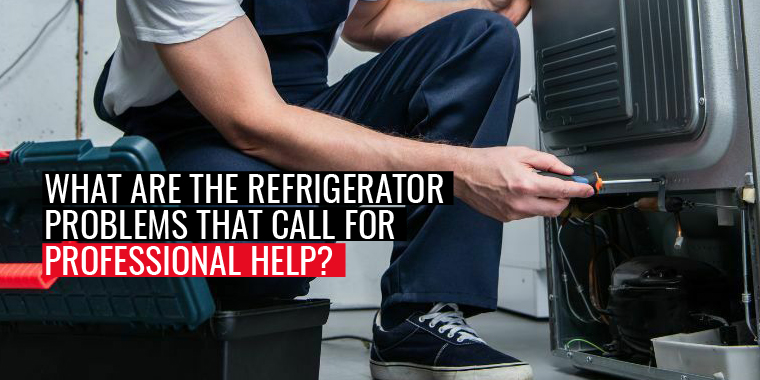
What Are The Refrigerator Problems That Call For Professional Help?

By Repairing

Life might be difficult to picture if you have refrigerator problems. You depend on your refrigerator daily to keep perishable items fresh and secure from harm. Regrettably, one of your home’s most important items sometimes gets overlooked.

Your refrigerator requires maintenance from time to time, just like any other item in your house. Regrettably, many individuals fail to notice the symptoms that a refrigerator needs serious repair. Ignoring these warning signs to avoid having to replace your refrigerator much sooner.-

  • Quick Food Spoiling:

You can observe milk and meats, two meals that are particularly susceptible to rotting, going bad earlier than you anticipated. Although some meals fail to cool down, canned beverages may take significantly longer to cold.

Any one of your refrigerator problems might be the cause. For instance, faulty door seals might let heated air inside your refrigerator, which can affect its functionality. Also, a sluggish refrigerant leak might reduce the cooling power of your refrigerator. Get a professional to take a closer look if your refrigerator is having trouble maintaining its cold.

  • Ice-build:

To avoid the formation of frost and ice, the majority of contemporary refrigerators contain an automated defrosting mechanism. Nevertheless, this function is only sometimes reliable, and ice building may be so severe that it defeats the refrigerator’s built-in safety measures. The refrigerator could require some time to defrost properly, so unplug it for a bit.

You should get an ice accumulation issue checked out as soon as possible by a service expert.

  • Loud noise:

Your refrigerator is designed to operate enough to be ignored even if it isn’t completely silent. Another sign that anything is amiss with your refrigerator is excessive noise. Before further issues arise, inspect the refrigerator to see if you can hear it buzzing or humming from the opposite side of the kitchen.

  • Too Much Condensation:

On a hot day, if your refrigerator perspires as much as you do, you could be dealing with condensation. A vapor trapped in heated air condenses into a liquid when it becomes cold. Condensation is a normal by-product of refrigeration that keeps your food fresh.

Overload drip trays that overflow and leak water may also cause leaks. Many hazardous risks, including electrocution, can result from even a tiny water spill. You should have a service specialist examine these problems as soon as possible.

  • Become heated:

A refrigerator repair is necessary if passing by your refrigerator feels as warm as passing by your baseboard heater.

Feel the refrigerator’s back. Anytime the temperature rises over lukewarm, the motor works too hard and becomes too hot. To get the motor fixed as possible in this situation, you can arrange a service. If you need more money, you can find yourself paying a higher monthly power bill.

  • Bill goes up:

Refrigerator problems can cause your electricity bill to appear slightly higher than usual. It could be necessary to replace your refrigerator if you’ve tried to enhance its functionality without success.

Avoid wasting money by allowing your food to expire and your electricity costs to soar. It is essential to act now that you are more aware of the warning signs that your refrigerator may need maintenance.